Maryland Women’s Motorcycle Accident Lawyer
Kellie T. Barnes, Attorney at Law can help you if you’re injured in a motorcycle accident in Maryland.
There’s nothing more freeing than riding your motorcycle—even though it can be somewhat dangerous.
You don’t have the same protection in the event of an accident, but you don’t have to face the aftermath by yourself.
Our team can help you through an injury claim. Set up a free consultation today to talk through your options.
Do I Need a Lawyer After a Motorcycle Accident?
A lot of women hesitate before reaching out to a lawyer.
You might feel like you should be able to handle it yourself. Or maybe you don’t want to seem “dramatic.” That instinct to minimize what you’re dealing with is common—but motorcycle accidents aren’t minor events, even when people treat them that way.
That’s when you need help, and that’s where my team can step in with:
- Explaining your rights in plain language, without legal jargon
- Looking into how the accident happened so important details don’t get missed
- Handling conversations with insurance companies so you don’t have to
- Making sure your claim reflects how this accident has actually changed your life
When you have someone managing the legal side, you can focus on recovery instead of constantly being pulled back into the accident.
What Do I Need For a Strong Motorcycle Accident Claim?
After a motorcycle accident, it’s normal to feel foggy or overwhelmed. Many women are also juggling responsibilities—children, work, caregiving—on top of recovery. You don’t need to gather everything perfectly. Even small pieces of information can be valuable. Here’s what can help your claim:
- Driver information, including name, insurance, and license plate. Even a partial plate or vehicle description can matter.
- Pictures and videos of the scene, your motorcycle, road conditions, skid marks, and visible injuries.
- Medical records from every stage of treatment, from the emergency room through follow-ups and physical therapy. These records help show how serious your injuries are and how long recovery takes.
- Witness statements from people who saw what happened or stopped to help afterward.
- Police reports, which often document fault, traffic violations, or unsafe road conditions.
Small details also matter more than you might realize.
The time of day. The weather. Traffic flow. Something the driver said at the scene. They all help paint a picture of what happened and counter assumptions that the insurance company is going to try to make.
If you don’t have everything, that’s okay. We help track down missing records, request reports, and gather additional evidence so your claim doesn’t rely solely on what you were able to collect right after the accident. Once the foundation is in place, the next step is filing the claim itself—and that starts with figuring out who’s at-fault.
Who’s At-Fault For My Injuries After a Motorcycle Accident?
Motorcycle accidents rarely happen without a cause. To file a claim, you have to show that someone else’s negligence played a role in what happened. That isn’t always straightforward with a motorcycle accident, but usually, it’s going to fall on:
- A driver who wasn’t paying attention. This might be someone who turned without looking, changed lanes too quickly, or simply didn’t register that a motorcycle was there. These moments happen fast, but the consequences last much longer.
- A property owner or property manager, especially when the accident happened in a parking lot, apartment complex, private road, or commercial area. Things like deep potholes, loose gravel, uneven pavement, poor lighting, or confusing traffic flow don’t happen overnight. When those hazards are left alone for too long, the people responsible for maintaining the property may share the blame.
- A government agency is responsible for the same things, just for any public road or property.
What matters most is this: you don’t have to know the answer right away. Many women come to us unsure whether it was a driver, a road condition, or something else entirely. That’s okay. Part of our job is looking closely at the details, asking the right questions, and figuring out who should be held responsible.
This process isn’t about blaming yourself or proving you “deserve” help. It’s about understanding what caused the accident and making sure the responsibility doesn’t quietly fall on you when it shouldn’t.
How Does a Motorcycle Accident Claim Usually Work?
It’s true that a motorcycle accident is confusing. But once the reality sets in, it’s about taking the right steps to get the financial help you’re going to need. THat means filing an injury claim and getting “damages.” To do that, there’s two main paths:
- Insurance claims. Most cases begin as insurance claims against the at-fault driver’s policy. This route can be faster and avoids court, but it comes with challenges. Insurance companies often assume riders are risk-takers or automatically partially at fault. That bias can affect how your claim is handled. Adjusters may question your speed, your experience, or what you were wearing, even when the evidence shows the driver caused the accident.
- Lawsuits. If insurance doesn’t offer enough to cover your losses, filing a personal injury lawsuit may be necessary. Lawsuits take longer and involve more steps, but they also bring accountability. A judge—and sometimes a jury—oversees the process, which often leads to a more balanced outcome.
No matter which option you choose to go with, your damages often include:
- Medical expenses, both current and future
- Lost income if you missed work or can’t return to the same job
- Motorcycle repair or replacement
- Pain, discomfort, and physical limitations
- Emotional stress, anxiety, or loss of confidence riding
- Changes to daily routines or activities you enjoyed
- Funeral and burial expenses in fatal accidents, through a wrongful death claim
In Maryland, you generally have three years from the date of the accident to file a claim.
While that might sound like plenty of time, waiting can make evidence harder to find and memories less reliable.
Starting earlier often makes the process smoother.
Where Do Motorcycle Accidents Usually Happen to Women in Maryland?
No matter how experienced you are with riding your motorcycle, there’s certain situations out there that are going to lead to accidents. Not surprisingly, these situations are usually centered on certain areas like:
- Busy intersections, where drivers misjudge speed or fail to notice motorcycles
- Commercial areas, with frequent turns, parking lot exits, and delivery vehicles
- Highway entrances and exits, where lane changes happen quickly
- Poorly maintained roads, including potholes, loose gravel, or uneven pavement
You can do everything right and still be hurt by someone else’s mistake. When that happens, the focus should be on your recovery—not on battling insurance companies alone.

Frequently Asked Questions
What if I’m not sure what caused my accident?
That’s common, especially after a serious injury. We can help investigate, review reports, and work with experts to identify the cause.
What if the driver left the scene?
Hit-and-run accidents are frightening, but you may still have options through police reports, traffic cameras, and uninsured motorist coverage.
Does wearing a helmet affect my case?
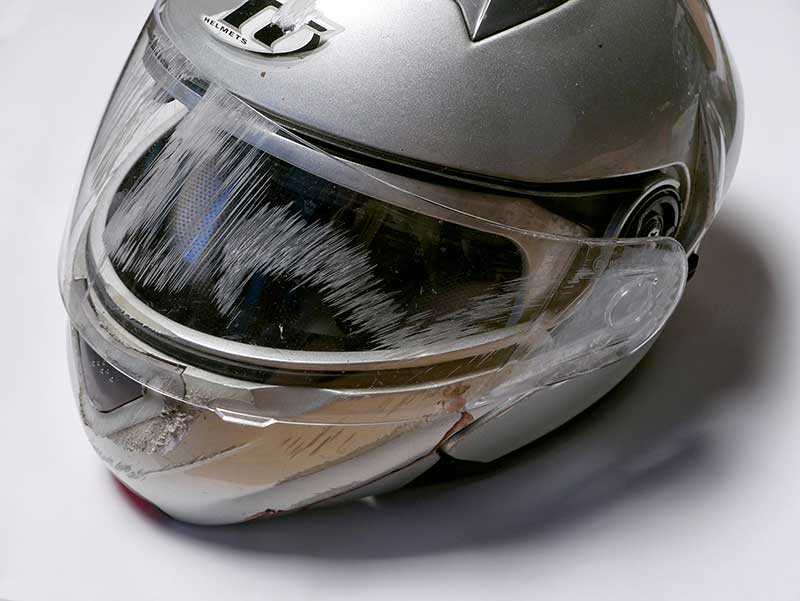
Helmet use can be a factor, but it does not automatically prevent you from filing a claim. Each case depends on the specific facts.
Reach Out to Kellie T. Barnes, Attorney at Law After a Motorcycle Accident in Maryland
Riding a motorcycle gives many women in Maryland a sense of freedom, excitement, and independence. When an accident takes that away, the aftermath can feel isolating and overwhelming. You don’t have to go through it alone.
At Kellie T. Barnes, Attorney at Law, we take the time to listen, explain your options clearly, and handle the legal side so you can focus on getting better and back out there.
If you were injured while riding in Maryland, reach out for a free consultation. We’ll help you understand your next steps and support you through what comes next, at your own pace.