Maryland Truck Accident Lawyer
Kellie T. Barnes, Attorney at Law helps those who have been injured in truck accidents in Maryland.
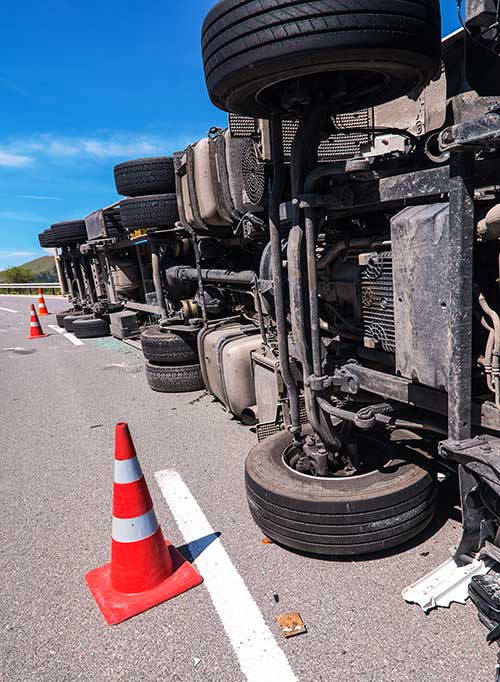
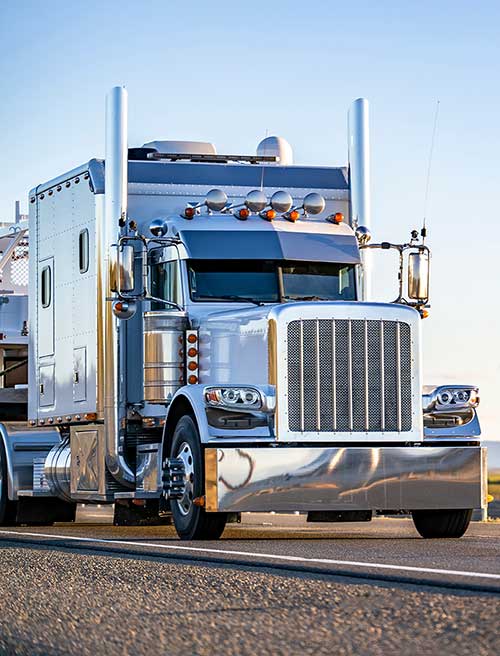
Even though you see them on the road every day, large commercial trucks are different from normal vehicles.
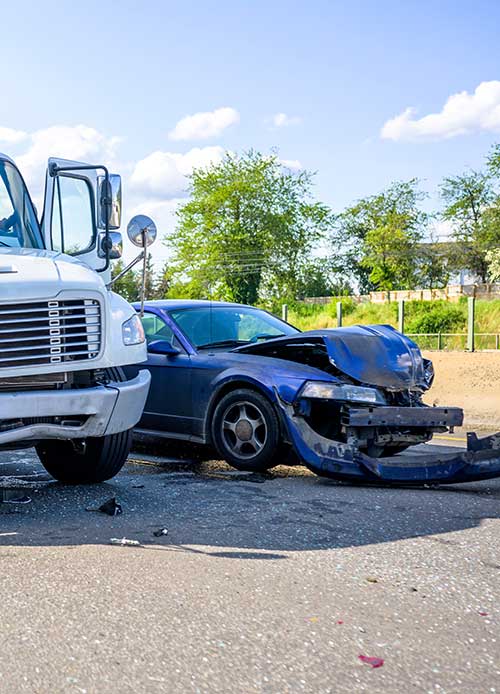
It’s not hard to see why an accident with one of these trucks can be so damaging.
Our team can guide you through the claims process and will support you and your family.
Set up a free consultation today to talk through your options.
Should I Get a Lawyer After a Truck Accident in Maryland?
No matter who you are, a truck accident is scary.
Not only are serious injuries and car damage virtually guaranteed, but the driver or trucking company gets to work protecting themselves immediately.
At that point, you need to start thinking about your situation. That includes where you should get a lawyer. It’s not needed in every situation, but having our team on your side can make things easier. We will:
- Handle communication so you aren’t pressured into recorded statements
- Push back when injuries are labeled “minor” or “pre-existing”
- Find every party that may share responsibility
- Preserve evidence before it’s lost, altered, or destroyed
If you’re used to handling everything on your own, the thought of getting a lawyer might seem troubling. But the reality is that a truck accident needs to be approached differently—even though many of the basics are the same as any other kind of accident.
What Evidence Helps Tell the Full Story After a Truck Accident?
There’s almost no way to prepare for what happens when you’re in a truck accident. Even though they’re fairly common, the sheer force of a truck accident is much different from any other kind of vehicle accident. That makes getting information and evidence at the scene tough, but not impossible. Here’s what you should try to focus on to tell the full story of what happened:
- Medical records. This goes beyond the first hospital visit. Follow-up appointments, specialist evaluations, physical therapy notes, and reports of ongoing symptoms all matter—especially when injuries evolve over time.
- Personal notes. Notes about difficulty lifting, driving, sleeping, concentrating, or caring for children help connect the dots between the accident and your day-to-day reality.
- Pictures and videos from the scene. You’ll want pictures/videos of damage to your car, road conditions, skid marks, or nearby intersections. This can all help counter claims that the collision wasn’t serious.
- Statements from people who know your routine. Coworkers, family members, or caregivers may be able to describe how your abilities, energy, or independence changed after the accident.
- Internal truck data. There’s also internal truck data that you’re not going to have access to right away. Things like black box data, maintenance records, hours on the road, and other pieces of data all tell the story of what the driver and truck was like at the time of the accident.
There’s no “magic bullet” here.
Instead, it’s going to be a combination of this evidence that forms the backbone of your claim.
But at the same time, gathering it all on your own can be overwhelming. That’s another area where our team can help you.
Who Can Be Held Responsible for a Truck Accident in Maryland?
Everything about a truck accident feels different. This includes something basic for your legal options: figuring out who’s responsible. The reason this is difficult in a truck accident isn’t all that complicated: there’s a lot of moving parts and people involved.
It still ultimately comes down to negligence, but generally, any of the following could be legally responsible for your injuries:
- The truck driver, for distracted driving, speeding, fatigue, or impairment
- The trucking company, for unsafe schedules, poor training, or ignored safety regulations
- Cargo loading companies, if shifting or unsecured freight contributed to the collision
- Maintenance providers, when worn parts or skipped repairs played a role
- Manufacturers, if a defective component caused a mechanical failure
People in your position are usually told that these kinds of accidents are “too complicated” or that responsibility is unclear.
While that’s technically true, it doesn’t eliminate your options altogether. It’s just a bit more difficult to untangle.
How Does a Truck Accident Claim Work?
We’ve talked a lot so far about how different a truck accident is. And that’s true in a very real way. But least legally, the process is the same as any other kind of accident. You figure out who’s responsible and file an injury claim against them. In a typical truck accident, here’s how that works:
- Insurance claims. The first option is filing an insurance claim out of court. This could be against the truck driver, trucking company itself, or any contractor that’s involved. Often time, responsibility overlaps, so there’s finger-pointing. For you though, it means that there’s more than one policy to file against.
- Lawsuits. If insurance negotiations stall or fail to reflect the true impact of the accident, filing a lawsuit may be necessary. While it takes more time, it can allow for a fuller presentation of evidence and a more accurate outcome.
When people hear “damages,” they often think only of medical bills. In reality, a truck accident claim may include:
- Current and future medical care
- Physical therapy and rehabilitation
- Lost income or reduced earning capacity
- Pain, discomfort, and emotional strain
- Loss of independence or changes in daily routines
- Permanent limitations or visible scarring
- Reduced quality of life
- Funeral and burial expenses in wrongful death cases
In Maryland, you generally have three years from the date of the accident to file a claim.
That may sound like plenty of time, but truck accident cases require extensive evidence gathering.
Starting earlier often leads to stronger outcomes.
Where do truck accidents happen in maryland?
A truck accident can happen anywhere. And not surprisingly, truck accidents happen in places you go every day, like:
- Major interstates, such as I-95, I-70, and I-83
- Beltways and connector routes, including I-495 and I-695
- Major highways, especially during morning or afternoon rush hours
- Industrial and port areas, where trucks frequently enter and exit
- Neighborhood roads, where large trucks mix with local traffic
Many of us travel these routes daily—for work, school drop-offs, medical appointments, or errands. Even careful driving can’t protect against unsafe trucking practices, which is why accountability matters.
Frequently Asked Questions
Do I need to speak with the trucking company’s insurance company?
Not on your own. These conversations are often designed to limit what the company pays. It’s okay to let someone else handle them.
Can emotional distress be part of a claim?
Yes. Anxiety, sleep disruption, and fear of driving again are real consequences of serious accidents and can be included.
What if I’m trying to keep working or caring for others despite the pain?
Many women push through out of necessity. That doesn’t mean your injuries aren’t serious—it means they deserve to be properly documented.
KTB Law Helps you Move Forward After a Truck Accident in Maryland
A truck accident can change how safe you feel, how your body moves, and how much you’re able to take on each day.
And while trucking companies act quickly to protect themselves, you deserve the time and support needed to heal—without being dismissed or rushed.
At Kellie T. Barnes, Attorney at Law, we’ll help you move forward with confidence.
To get started, reach out today to set up a free consultation.